
Use this article to better understand your symptoms and options. An in-person podiatry evaluation is the best way to determine what is causing a specific foot or ankle problem.
You may walk comfortably in the morning, only to find that the side of your big-toe joint is red, sore, or throbbing by the end of the day. On another day, the same bunion may barely bother you. That inconsistency can make it difficult to know whether the problem is getting worse—or whether you simply chose the wrong shoes.
Bunion symptoms commonly fluctuate. The shape of the foot does not change from hour to hour, but pressure on the joint, activity level, inflammation, and footwear can all change how the area feels. Recognizing those patterns can help you reduce avoidable irritation and decide when an evaluation is worthwhile.
Why bunion pain can change from day to day
A bunion is more than a bump on the side of the foot. It reflects a change in the alignment of the big-toe joint. The big toe may angle toward the second toe while the joint at its base becomes more prominent.
Some bunions remain relatively comfortable for long periods. Others become painful when the prominent joint rubs against a shoe or when the joint itself becomes irritated. Symptoms may also appear in neighboring areas as the foot adapts to changes in pressure and movement.
The intensity of a flare-up does not always indicate how large the bunion is. A modest-looking prominence may be very sensitive in certain shoes, while a more visible bunion may cause surprisingly little discomfort. Pain, function, skin condition, joint motion, and the overall structure of the foot all matter.
Common triggers behind a painful bunion flare-up
Shoes that press or rub against the joint
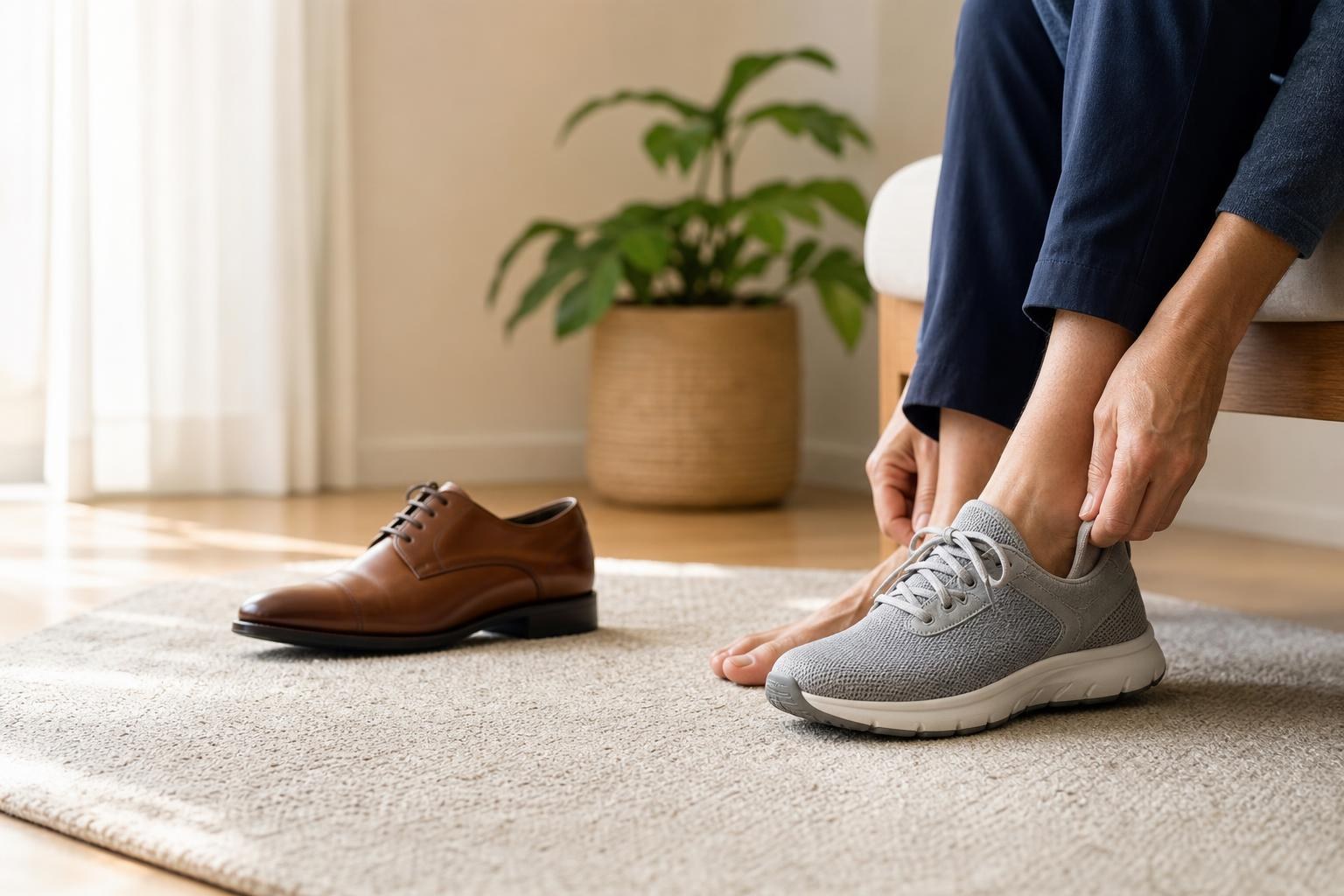
A narrow or tapered toe box can crowd the toes and place direct pressure over the bunion. Stiff seams, rigid dress shoes, and certain work shoes may irritate the area even if the shoe technically fits in length. High heels can increase pressure toward the front of the foot, making an already sensitive joint more uncomfortable.
Swelling also tends to increase as the day goes on. A shoe that feels acceptable in the morning may become tight by late afternoon, particularly after prolonged standing or walking.
A sudden increase in activity
Long walks, travel, exercise, yardwork, or a workday spent mostly on your feet can provoke symptoms. Repetitive push-off through the big toe may irritate the joint, while fatigue can alter the way you distribute weight across the foot.
This does not necessarily mean that all activity is harmful. It may mean the amount, surface, shoe, or pace needs to be adjusted while the irritation settles.
Joint stiffness and inflammation
Not every painful bump at the big-toe joint behaves the same way. In some feet, limited or painful joint motion contributes to symptoms. Arthritis or another joint problem may also cause stiffness, swelling, or pain during push-off. An examination can help determine whether discomfort is primarily coming from shoe pressure, joint movement, surrounding tissue, or a combination of factors.
Changes in foot mechanics
The way the foot moves can influence pressure around the big toe. Flat feet, altered arch mechanics, tight calf muscles, or compensation for pain elsewhere may add stress to the forefoot. A bunion can also affect how weight is transferred, sometimes contributing to discomfort beneath the ball of the foot or near the second toe.
What to notice when symptoms appear
A short symptom record can be more useful than trying to remember every detail at an appointment. Pay attention to what happened before the discomfort started and how long it lasted.
- The shoes worn that day, including whether they felt tight across the toes
- The amount of walking, standing, exercise, or stair climbing
- Whether pain came from direct pressure, joint movement, or both
- Any redness, swelling, callus, blister, numbness, or skin breakdown
- Whether the discomfort improved after changing shoes or resting
- Pain beneath the ball of the foot or in the smaller toes
These clues can help distinguish an occasional pressure-related flare from a problem that is increasingly limiting normal activity.
Conservative steps that may calm bunion irritation
Conservative care cannot realign the bones or permanently remove the bunion. It can, however, reduce pressure, ease irritation, and make daily activities more comfortable for many people. The best approach depends on what is driving the symptoms.
- Choose a wider toe box. Look for a shoe that follows the shape of your forefoot without squeezing the toes together. Width and toe-box shape often matter more than simply buying a longer size.
- Avoid direct rubbing. A soft bunion pad may cushion the prominence, provided it does not make the shoe tighter. Stop using it if pressure or skin irritation increases.
- Modify activity temporarily. During a flare, shorter walks or lower-impact activity may be more comfortable than repeatedly pushing through worsening pain.
- Use cold carefully. A wrapped cold pack may help with temporary soreness or swelling. Do not apply ice directly to the skin, and use extra caution if you have reduced sensation or circulation.
- Consider foot support when appropriate. Inserts or prescription orthotics may improve pressure distribution when mechanics contribute to symptoms. They do not make the bunion disappear, and they should be selected with shoe fit in mind.
Toe spacers or splints may make some feet feel more comfortable while being worn, but they generally should not be expected to permanently straighten an established bunion. If a device causes pain, numbness, skin discoloration, or increased crowding in the shoe, remove it.
Be careful with calluses and irritated skin
A bunion may rub against footwear and develop thickened skin, a blister, or a tender corn where the toes press together. Avoid cutting a callus with a razor or applying strong medicated corn removers without professional guidance. These methods can injure healthy skin.
This is especially important for anyone with diabetes, reduced sensation, poor circulation, or a history of slow-healing wounds. New redness, drainage, an open area, or skin that is becoming darker should be assessed promptly. The practice offers dedicated diabetic foot care for patients who need closer monitoring and preventive guidance.
When bunion pain deserves a podiatry evaluation
You do not have to wait until the bunion is severe or every shoe hurts. An evaluation may be appropriate when symptoms keep returning, interfere with walking or exercise, or force you to continually change activities.
It is also helpful to seek care if the big toe is becoming increasingly stiff, the second toe is changing position, pain has moved beneath the ball of the foot, or you cannot find shoes that fit without rubbing. These changes may indicate that pressure is being transferred to other parts of the foot.
During an evaluation, a podiatrist can examine alignment, joint motion, skin condition, footwear, and walking mechanics. Imaging may be recommended when it would clarify the joint structure or help guide treatment. The goal is to understand why the bunion is painful now—not simply to judge it by appearance.
Professional foot and ankle care may include footwear guidance, padding, treatment of painful calluses, activity adjustments, or support recommendations. If symptoms remain limiting despite reasonable conservative care, additional options can be discussed based on your health, daily needs, and examination findings.
Symptoms that should not be dismissed as a routine flare
Seek prompt medical attention for severe or rapidly worsening pain, marked redness and warmth, fever, drainage, an open wound, or a toe that appears pale, blue, or unusually cold. Sudden big-toe pain with pronounced swelling may have a cause other than the bunion and should be evaluated rather than assumed to be ordinary shoe irritation.
After an injury, difficulty bearing weight or a visibly altered toe position also warrants timely assessment. Urgent or emergency care may be appropriate for severe symptoms, significant trauma, or signs of impaired circulation or infection.
A pattern of flare-ups can point toward the next step
If bunion discomfort reliably follows certain shoes or unusually active days, a few practical changes may make a meaningful difference. If the pain is appearing more often, lasting longer, or affecting the rest of the foot, it may be time to look beyond temporary relief.
Dr. Daniel Brandwein is a board-certified podiatrist who has provided podiatric care in Pompano Beach since 1991. To discuss recurring bunion pain and find out which options fit your situation, schedule an evaluation or call (954) 984-7500. Same-day appointments may be available, walk-ins are welcome, and most insurance is accepted.
This article is for educational purposes and does not replace individualized medical advice, diagnosis, or treatment.
Ready to Get Your Foot or Ankle Concern Checked?
If foot pain, a wound, nail problem, injury, or another concern is affecting your comfort or mobility, Dr. Daniel Brandwein can evaluate what is going on and discuss appropriate next steps.
Dr. Daniel Brandwein DPM, PA, FACFAS
159 S Pompano Parkway, Pompano Beach, FL 33069
(954) 984-7500
This article is for general educational information and is not a substitute for an individualized medical evaluation or treatment plan.
Get your foot or ankle concern properly evaluated.
Dr. Daniel Brandwein provides podiatry care in Pompano Beach for foot and ankle pain, diabetic foot concerns, nail problems, wounds, injuries, and other common podiatric conditions.