Use this article to better understand your symptoms and options. An in-person podiatry evaluation is the best way to determine what is causing a specific foot or ankle problem.
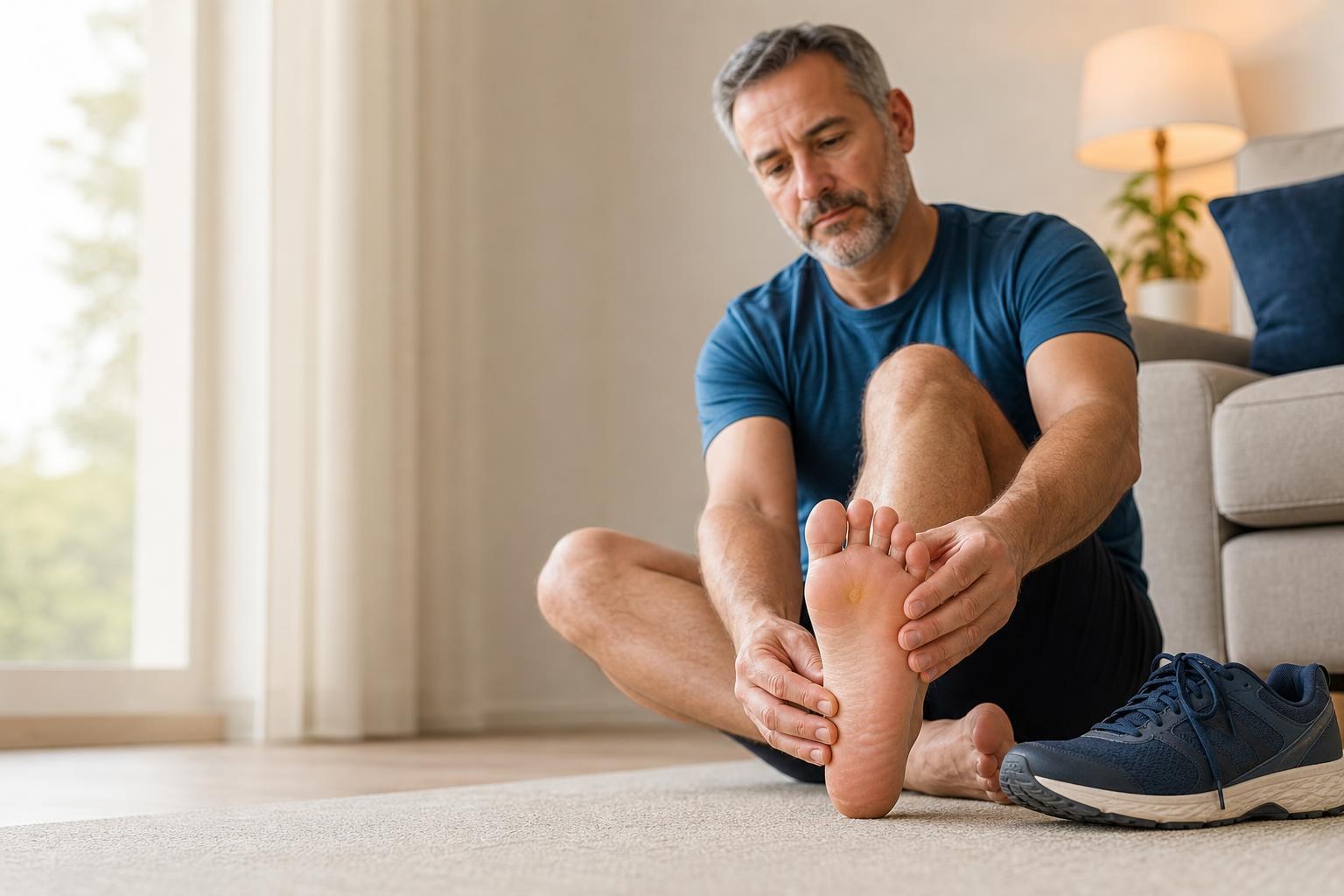
You file down a thick patch of skin, it feels smoother for a while, and then the same hard spot returns. Sometimes it comes back within weeks. It may even become more tender than it was before.
This cycle can be frustrating, but it usually has a logical explanation: filing changes the skin temporarily, not the pressure beneath it. If a shoe, toe position, walking pattern, or prominent area of bone continues to place extra force on the same spot, the skin may keep thickening to protect itself.
Understanding what is driving that pressure is often the key to longer-lasting relief—and to avoiding unsafe attempts to remove the callus at home.
Why removing thick skin may not solve the problem
A callus is a broad area of thickened skin that commonly develops where the foot repeatedly experiences pressure or friction. This response is protective at first. The skin builds an extra layer over an area that is being stressed.
Filing or professional reduction can decrease the thickness, but it does not automatically change how force travels through the foot. As you continue walking in the same shoes and with the same foot mechanics, the protective layer may gradually rebuild.
This does not necessarily mean the callus was removed incorrectly. It may mean that the source of pressure still needs to be identified and addressed.
What can cause a callus to return in the same place?
The location of a recurring callus can offer useful information, although it cannot provide a diagnosis on its own. Several factors may contribute at the same time.
Shoes that concentrate pressure
Shoes do not have to feel painfully tight to cause a problem. A narrow toe box may squeeze the toes together, while a shallow shoe can rub against raised toe joints. A stiff seam, worn lining, or sole that no longer provides adequate cushioning may also repeatedly irritate one area.
High heels shift more body weight toward the ball of the foot. Loose shoes can create a different issue by allowing the foot to slide and rub with each step.
Changes in toe or foot alignment
Bunions, hammertoes, and other structural changes may create new points of contact with the shoe or ground. A bent toe, for example, may develop thick skin on top of the joint or at the tip. A prominent area near a bunion may rub against the side of a shoe.
These changes can also affect how weight is distributed across the ball of the foot. One area may take more pressure because another part of the foot is not sharing the load effectively.
Your walking pattern and daily activity
The way your foot moves during walking may place extra force beneath the heel, big toe, or one of the metatarsal heads in the forefoot. Standing for long periods, increasing walking mileage, or exercising on hard surfaces can make a previously minor pressure point more noticeable.
A callus may also recur when an old pair of shoes has molded around an uneven wear pattern. Looking at which parts of the outsole wear down first can sometimes provide additional clues during an evaluation.
Loss of natural cushioning
The fatty padding beneath the foot can become thinner with age. When that happens, the bones under the heel or forefoot may have less natural protection from the ground. A recurring callus may form over an area that now receives more direct pressure.
Is it definitely a callus?
Not every hard or painful spot is a routine callus. Corns are usually smaller and more concentrated, often forming over a toe joint or between toes. Plantar warts, retained foreign material, and other skin conditions may also resemble thickened skin.
In some cases, a callus can cover an irritated, blistered, or open area underneath. Increasing pain, drainage, bleeding, discoloration, or a sudden change in appearance deserves closer attention rather than continued filing.
A podiatric evaluation can help determine what the spot is and why it continues to form. This is particularly useful when a lesion repeatedly returns, hurts while walking, or looks different from the surrounding skin.
What can you safely do at home?
If you have normal sensation and circulation and the skin is fully closed, gentle care may help reduce minor roughness. The goal is not to remove every layer of thickened skin at once.
- Wear shoes with enough width and depth for your toes, with no seam pressing directly against the affected area.
- Use a moisturizer on dry, intact skin, but avoid placing it between the toes where excess moisture can collect.
- After bathing, use a pumice stone or foot file lightly rather than aggressively. Stop if the area becomes sore, pink, or irritated.
- Avoid razors, scissors, nail clippers, or other sharp tools. Cutting too deeply can cause bleeding, infection, or a wound.
- Do not use medicated corn or callus removers without guidance if you have diabetes, poor circulation, reduced sensation, or fragile skin.
Over-the-counter cushions can sometimes reduce rubbing, but placement matters. A pad that is too thick or positioned incorrectly may shift pressure to a neighboring area. If padding makes the foot feel more crowded inside the shoe, it may add to the problem rather than relieve it.
Why recurring calluses require extra caution with diabetes
Diabetes may affect sensation, circulation, healing, or a combination of these factors. A person with reduced feeling may not notice that a callus has become too thick or that the skin underneath has started to break down.
For that reason, people with diabetes should avoid self-cutting and chemical callus removers. Regular diabetic foot care can help identify pressure areas before they become more serious.
Seek prompt medical attention if you notice:
- An open area, blister, drainage, bleeding, or unpleasant odor
- Increasing redness, warmth, swelling, or tenderness
- Dark, blue, or black discoloration
- A callus that suddenly changes or has fluid beneath it
- Fever or rapidly spreading redness, which may require urgent or emergency care
These changes should not be managed by filing the surface and waiting to see what happens.
How a podiatrist approaches a callus that keeps returning
An evaluation typically looks beyond the thick skin itself. The podiatrist may examine the location and depth of the callus, the condition of the surrounding skin, your toe and foot alignment, shoe fit, areas of tenderness, and how pressure is distributed when you stand or walk. Sensation and circulation may also be checked when relevant.
Professional care may include reducing thickened skin with appropriate instruments. Depending on the underlying cause, recommendations may also involve footwear changes, targeted cushioning, activity adjustments, or an orthotic designed to redistribute force. If a bunion, hammertoe, or another structural issue is contributing, the advantages and limits of conservative treatment can be discussed.
The right approach depends on more than how the callus looks. Someone with a minor shoe-related pressure point may need a different plan than someone with reduced sensation, a significant toe deformity, or a possible wound beneath the skin. Dr. Brandwein provides comprehensive foot and ankle care to evaluate these contributing factors and recommend appropriate next steps.
Relief starts with finding the source of pressure
A returning callus is not simply stubborn skin. It is often a sign that the same area continues to absorb more pressure or friction than it can comfortably tolerate. Removing the buildup may provide temporary relief, but changing the forces that created it may help reduce how quickly it comes back.
If a callus is painful, repeatedly returns, affects walking, or is difficult to manage safely, consider scheduling an evaluation with Dr. Daniel Brandwein in Pompano Beach. Same-day appointments may be available. Call (954) 984-7500 or contact the practice to request an appointment.
This article is intended for general education and does not replace individualized medical advice.
Ready to Get Your Foot or Ankle Concern Checked?
If foot pain, a wound, nail problem, injury, or another concern is affecting your comfort or mobility, Dr. Daniel Brandwein can evaluate what is going on and discuss appropriate next steps.
Dr. Daniel Brandwein DPM, PA, FACFAS
159 S Pompano Parkway, Pompano Beach, FL 33069
(954) 984-7500
This article is for general educational information and is not a substitute for an individualized medical evaluation or treatment plan.
Get your foot or ankle concern properly evaluated.
Dr. Daniel Brandwein provides podiatry care in Pompano Beach for foot and ankle pain, diabetic foot concerns, nail problems, wounds, injuries, and other common podiatric conditions.